Nearly all “greenheads” in North America now have domestic genetics due to “private game farms”
Exploring the Western NY Wilds, By Bob Confer
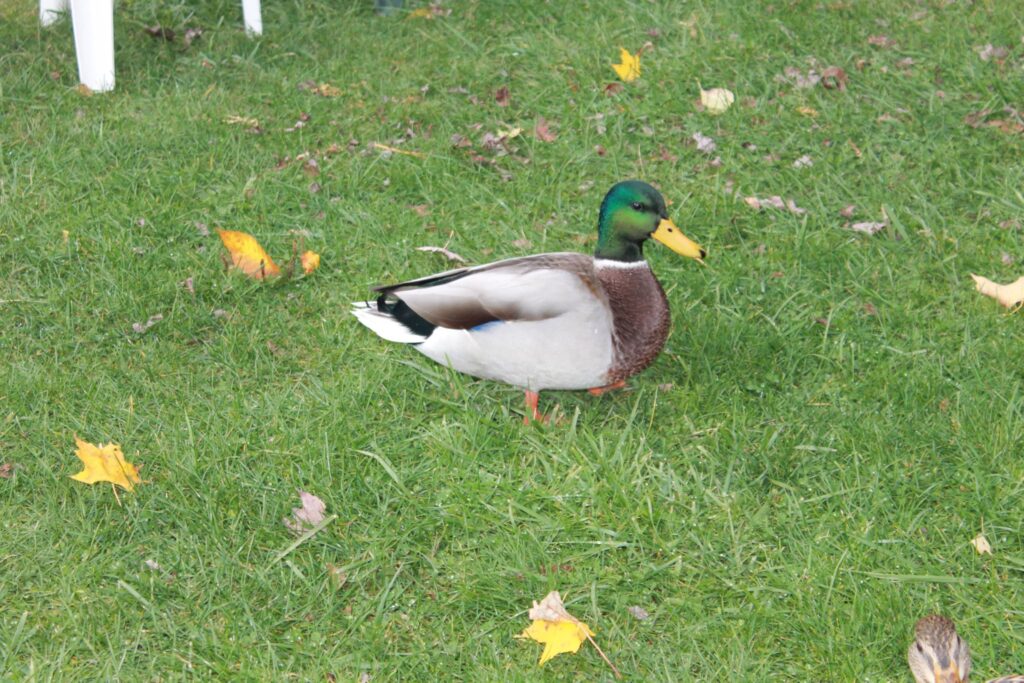
If you say the word “duck” to someone of my vintage or older, the first image that likely comes to their mind is that of the mallard. The green-headed drake and the brown hen are locked in our memories because we grew up in an era in which they were everywhere and in great numbers.
I don’t know what younger adults would associate with ducks. I can’t help but think it would be Donald Duck because mallards here in the eastern United States have become considerably less ubiquitous than they once were. Since the late-1990s, their population in the region has dropped nearly 40%. Now it’s at the point that when I see them I think, “ah, it’s good to see you again.” It’s especially concerning since other species of waterfowl have seen their numbers grow.
So, what happened to the mallards? That’s the question that’s been dogging biologists and wildlife management officials.
The consensus is that it comes down to a tainted gene pool.

Our mallards have had their population infiltrated by European mallards. This wasn’t an outcome of migration or range expansion; it was because of farm-raised ducks. These mallards were raised by private and public game farms for hunting by their customers and community, respectively. Over the past 80 years, nearly 2 million of these birds were released into the wild. Today, somewhere between 90% and 98% of eastern Mallards are a hybrid of our natives and the farm-raised ducks. It’s odd to think that a pure wild strain mallard is rarer than a bald eagle.
European mallards are the same species as ours, but they have certain traits – whether natural, or induced by generations of farm life — that ruined our wild ducks and set them up for failure.
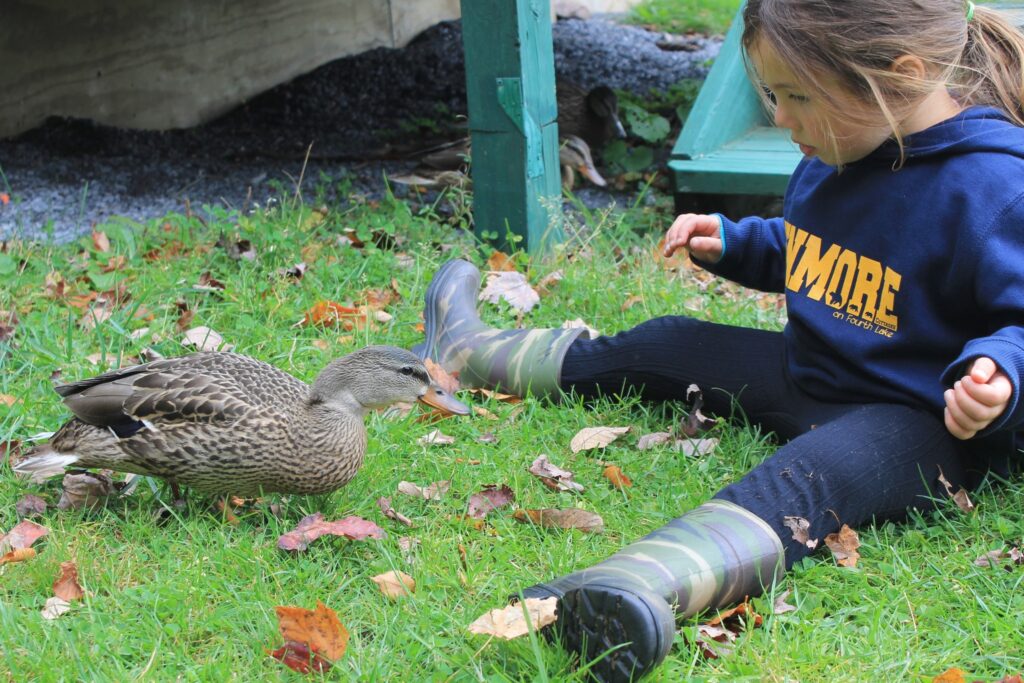
In a natural environment, farm-raised and hybrid mallards take in food at a rate of only half that of purely native birds. This is likely an adaptation to being able to get nutrients with ease in a farm setting. They’ve lost the ability to forage as nature intended: Their bills are shaped differently due to the long-time consumption of domestic grains and feeds. This inhibits their ability to feed in in the wild where they have to work harder and strain food from water. A duck in the wild is ill-suited for laying eggs, migrating, and surviving the elements without proper nutrition, energy, and fat reserves.
Their ability to grow or maintain their population is lessened because of this calorie deficit and other behaviors. Farm genetics cause hens to nest out-of-cycle, away from the springtime norms of our traditional mallard stock and they seem less interested in sitting on the eggs or protecting them (perhaps it’s become ingrained from living in a cage, coop, or protected yard where predatory risks are fewer). For every truly wild mallard hen, it takes 3 game-farm or hybrid hens to produce the same number of ducklings.
Then there’s the icing on the cake: A handful of university studies that have taken place over the past 10 years, including one by my alma mater SUNY Brockport, have shown, through the use of transmitters and other tracking technologies, that the hybrid mallards aren’t fans of migrating. It is believed that even if the duck possesses 30% farm genes the bird’s otherwise innate propensity to move away from the worst weather on a regular basis is replaced by the adapted, even trained, feelings to stay rooted, as they would in a game farm existence. This leads to population declines during brutal winters like this one and the last – the birds can’t find open water and places to graze.
It’s an unfortunate set of circumstances that has led to the ongoing loss of what was once our trademark duck, an icon of our waterways. There’s no going back, either. No amount of game and wildlife management can change that situation – the bad genetics and behaviors are here to stay.
Bob Confer is the founder and naturalist behind Exploring the Western New York Wilds, you can follow the series on Facebook here or reach out to Bob anytime, Bob@ConferPlastics.com